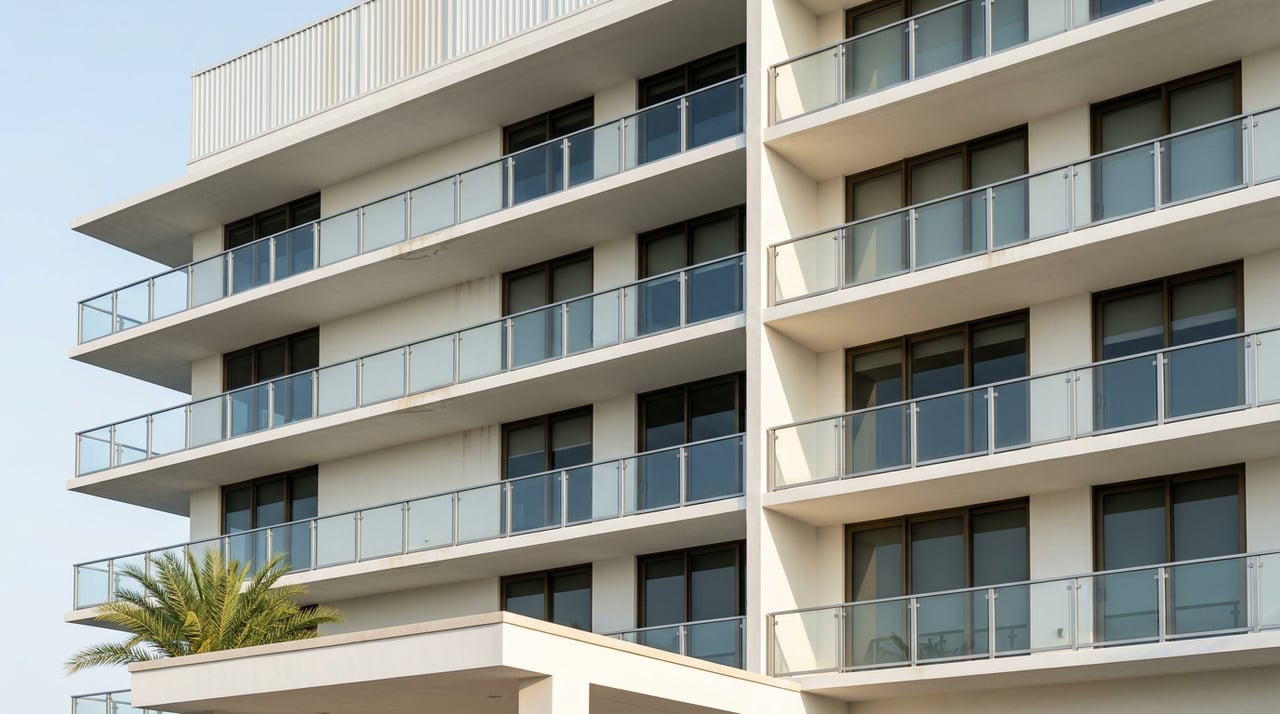
Picture two two-bedroom condos listed within a block of each other on Midnight Pass Road. Both are asking $749,000. Both have a Gulf view, updated kitchens, and a covered parking space. A buyer flying in from Chicago for a weekend of showings would reasonably treat them as substitutes and pick the one they liked walking through.
That buyer would be wrong, and the gap between the two units this summer could easily run to six figures. The list price stopped telling the whole Siesta Key condo story about eighteen months ago. What replaced it is a document the seller may not have handed over yet.
The soft-looking market is doing something specific
Read the headline numbers and Siesta Key looks like a straightforward buyer's market. The average Siesta Key home value sits at $825,673, down 5.4% over the past year, with homes going to pending in around 112 days as of the June 30, 2026 update. Over the three months ending May 2026, median sale prices were down 12.6% year over year at $899,000. One national portal now scores the market 18 out of 100 on competitiveness.
Those numbers are real, but they average across two very different populations of building. Look at what buyers are actually doing at the negotiating table. In the thirty days leading into early June 2026, the median sale-to-list ratio on Siesta Key ran 90.83%, and 56.67% of listings dropped in price before selling. That is not a market shrugging. That is a market discounting one specific risk, and doing it building by building. Active inventory across the Sarasota metro reached roughly 3,000 listings by February 2026, with the condo segment sitting at more than eight months of supply. The overhang is concentrated where the risk is.
What changed underneath the buildings
The mechanism sits in Tallahassee, not on the beach. Florida's post-Surfside condo reforms, built on SB 4-D and refined by SB 154, required every condominium building three stories or taller to complete a milestone structural inspection and a Structural Integrity Reserve Study, then fund the reserves the SIRS identified. Most owner-controlled associations had to complete their initial SIRS by December 31, 2025, with limited coordination allowed alongside milestone inspections through December 31, 2026. Those deadlines are now behind us.
The waiver escape hatch is also gone. As of May 2026, the SIRS deadline has passed, full funding of identified structural reserves is now mandatory in 2026 operating and reserve budgets, and HB 913 eliminated the previous waiver option for key structural components. And the 2026 legislative session did not soften any of it. Multiple bills attempted to extend funding timelines, permit lower-cost alternatives to full reserve studies, or allow associations to phase in compliance over a longer runway, and none of them made it across the finish line. Associations across older buildings on Siesta Key still must comply with existing milestone inspection and reserve-funding deadlines, and the practical effect is that special assessments are not going away.
The dollar range is the part out-of-state buyers rarely hear before they land. The combined effect of mandatory reserves, milestone inspections, and a hard insurance market is a wave of special assessments, some from $10,000 to over $100,000 per unit. On the Gulf-exposed end of the island the driver is often visible from the parking lot. Concrete spalling on coastal-facing facades is common on Gulf-exposed buildings on Longboat Key, Lido Key, and Siesta Key, because salt-air exposure accelerates rebar corrosion, and remediation is well understood and routinely budgeted.
How the same list price hides two different deals
Now put the two hypothetical condos side by side. Same view, same price, same square footage. Different balance sheets underneath.
| What the buyer sees | Building A | Building B |
|---|---|---|
| List price | $749,000 | $749,000 |
| SIRS status | Completed, on file | Not yet delivered |
| Reserves | Funded to the SIRS schedule | Below 30% of projected need |
| Master-policy wind deductible | Already reserved against | Owner-assessed after next event |
| Realistic 24-month assessment exposure | Low | $25,000 to $60,000+ per unit |
The gap between those two columns is the thing the median price cannot see. That gap is also, mechanically, why sellers in the weaker column are the ones cutting price and accepting 91 cents on the dollar. The market is not soft in the abstract. It is discounting Building B specifically.
The lender sees the same picture the buyer should. Insurers and lenders increasingly evaluate building safety compliance and reserve adequacy, non-compliance can affect insurability, financing, and marketability, and this is increasingly relevant for condominium insurance underwriting, Fannie Mae and Freddie Mac loan reviews, and buyer due diligence. A warrantability flag that lands after an accepted offer is one of the more expensive surprises in this market, because it usually shows up with the inspection clock already running.
The insurance layer nobody quotes you at the showing
There is a second cost line sitting inside the master policy. Coastal exposure on Siesta Key drives up insurance premiums and deductibles, sometimes resulting in $25,000 to $100,000+ wind or hurricane deductibles on the master policy, and when a storm hits, owners are assessed their share of the deductible out of pocket. That number is not on the MLS. It is in the declarations page.
The broader Florida picture is finally moving in a friendlier direction, which matters for the annual carry but not for the deductible math. Citizens Property Insurance has announced rate decreases for Spring 2026, the first meaningful reduction in recent memory, and private carriers including State Farm, Florida Peninsula, and Security First have filed for rate decreases ranging from 8% to 11%. For Siesta Key specifically, coastal exposure means premiums run higher than state averages, so budget $5,000 to $8,000 annually for homeowners coverage on a barrier island property, with flood insurance adding another $5,000 to $9,500 depending on zone and elevation. Those are the ongoing numbers. The deductible is the event number, and it is the one that shows up in a special assessment vote.
Four documents that belong on the offer, not the inspection period
The standard playbook still treats reserve studies and meeting minutes as inspection-period reading. In a sorted market, that is late. Move the review forward:
- The current Structural Integrity Reserve Study, with its funding plan and the reserve funding percentage stated plainly.
- The milestone inspection report, where required by building age and height, plus any engineer's remediation letter that followed it.
- The last twenty-four months of board meeting minutes, because the annual budgets, reserve schedules, and two years of association meeting minutes are where reserve transfers, special assessments, and reserve waivers are recorded.
- The current master insurance policy declarations, including wind and flood, with the per-event deductible highlighted.
The estoppel certificate is the fifth piece and it belongs in the contract, not the closing package. Order the condo association's estoppel certificate and review the reserve study before making an offer, because this is the only way to see pending assessments and true reserve health. If a seller or manager cannot produce these on request, that is itself a piece of market information worth pricing into your offer.
What sellers in funded buildings are quietly learning
The flip side of the discount on Building B is a small premium beginning to appear on Building A. If your association has already completed its SIRS, funded reserves, and cleared milestone inspections, that is a powerful selling point in a market where buyers are increasingly nervous about older, undercapitalized buildings. Sellers who have this documentation are learning to lead with it rather than bury it in the disclosure packet.
That is the market thesis for this summer on Siesta Key. Prices did not fall because the beach got worse. They fell because a compliance regime finally forced a hidden variable into the open, and buyers now have both the documents and the leverage to price it. The condos that transact cleanly at asking are the ones where the seller can put the reserve study on the kitchen counter next to the survey.
FAQ
Do SIRS and milestone rules apply to single-family homes and villas on Siesta Key? No. The requirements apply to condominium and cooperative buildings three stories or more in height, and single-family homes, villas, and townhomes in HOA communities are not subject to milestone or SIRS rules. Those transactions have their own friction points, chiefly elevation, wind mitigation, and flood coverage, but not this one.
Can a buyer negotiate a pending assessment onto the seller at closing? Sometimes, and only in writing. Under Florida Statute 718 the owner at the time the assessment is levied is generally responsible, so the allocation has to be spelled out in the contract and confirmed on the estoppel certificate before closing. A verbal agreement at the kitchen table will not survive the settlement statement.
Is a newly built Siesta Key condo exempt from SIRS? No, and this trips up buyers looking at newer product. The SIRS mandate applies to any building three stories or taller, no matter how new, because it is triggered by building height, not age, so a condo finished in 2026 still needs a SIRS on file. The milestone-inspection age trigger is separate and will not touch new construction for decades.
If you are weighing two Siesta Key condos this summer, or wondering whether the building you already own is on the right side of the sort, The Meyer Team can walk the documents with you before you write the offer or the listing agreement. Browse homes, or reach out for a quiet conversation about a specific building.