Are you trying to make sense of HOA fees in Palmer Ranch? You’re not alone. With dozens of neighborhoods and housing types, what you pay often depends on what the fee covers. This guide breaks down common inclusions, how coverage changes by property type, and what to review before you buy so you can compare communities with confidence. Let’s dive in.
What HOA fees typically cover
HOA fees in Palmer Ranch vary by neighborhood, but most include some mix of the items below. Always verify details in the specific association documents.
Common area maintenance
Many fees fund care for shared spaces. That often includes landscaping for entry medians, neighborhood signage, street trees, and irrigation for common areas. Associations may also maintain sidewalks, pathways, lighting, and natural preserves under their control.
Amenities and operations
If the community has amenities, fees usually support their upkeep. Pools, fitness rooms, clubhouses, tennis or pickleball courts, and playgrounds are common. Budget lines typically cover janitorial services, repairs, equipment replacement, and utility costs for those facilities.
Security and gated entries
In gated neighborhoods, fees often fund gate operation and equipment maintenance. Some communities also contract for security patrols or staff gatehouses. Utilities for gatehouses are usually included as well.
Exterior maintenance and building systems
Coverage depends on housing type. Condominium fees often include exterior building maintenance, roofs, painting, building systems, and the master insurance policy. Townhome and villa fees may cover exterior items like roofs and siding for attached homes, while detached single-family homes are usually owner-maintained unless it is a maintenance-provided setup.
Insurance for common elements
Associations carry insurance for common property and liability. In condominiums, the master policy typically insures the building structure. You still need your own policy to cover interior finishes, personal property, and any required loss assessment coverage.
Utilities and contracted services
Most associations pay for common-area electricity, irrigation water, and trash for shared facilities. Some communities include bulk contracts for cable or internet as part of the regular fee. This is not universal, so confirm in writing.
Administrative and management costs
Fees support management, accounting, legal services, mailings, and governance. This includes board meetings, elections, and enforcement of rules and regulations. Professional management company fees are usually a notable budget line.
Reserves and capital projects
A portion of your fee often goes to a reserve fund. Reserves help pay for major future projects like roof replacement, road resurfacing, or pool replastering. Healthy reserves reduce the risk of special assessments.
Community programs and misc.
Some fees fund neighborhood events, newsletters, and small improvements like signage. Associations may also pay for permits or regulatory fees related to common property.
How coverage varies by housing type
Understanding your property type is key because responsibilities shift with each structure.
Condominiums (Chapter 718)
Condo fees usually cover most exterior building work and common systems. The HOA’s master policy typically insures the building structure. You usually insure interior items and personal property.
Townhomes and villas
Many attached-home associations handle exterior items like roofs and siding plus common areas. Some exterior responsibilities still fall to you depending on the declaration. Always read the maintenance definitions closely.
Detached single-family homes
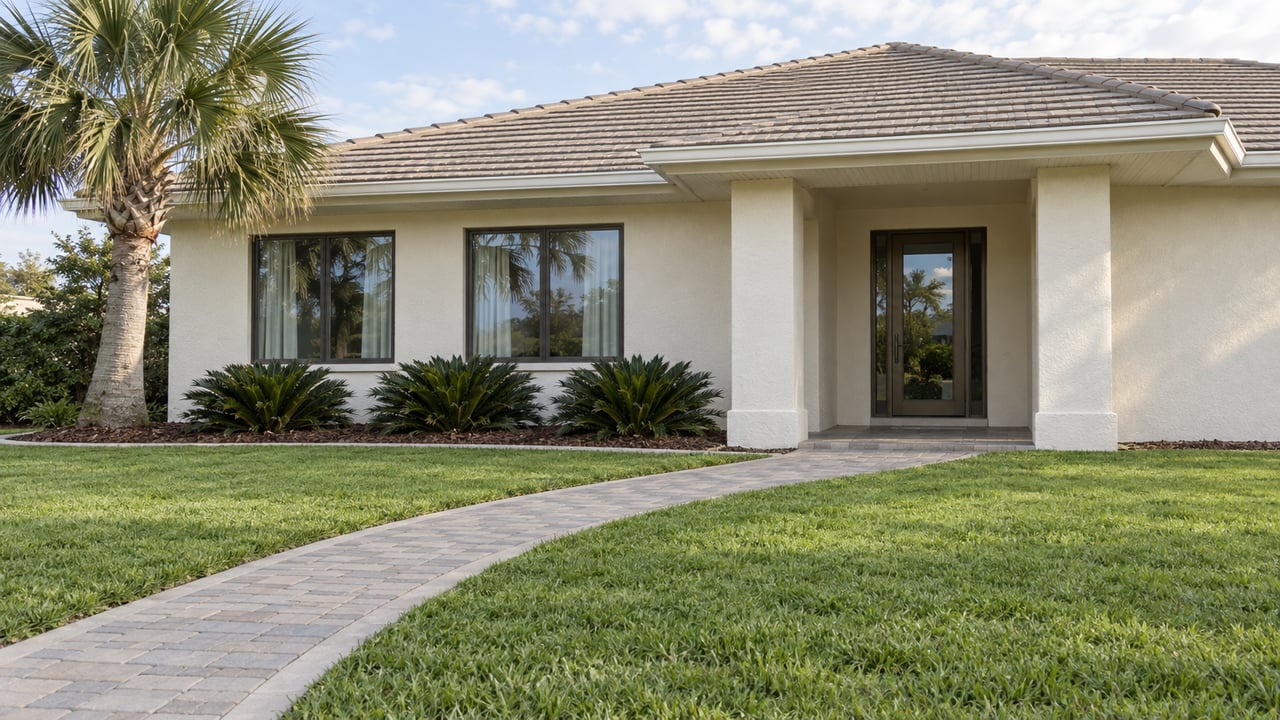
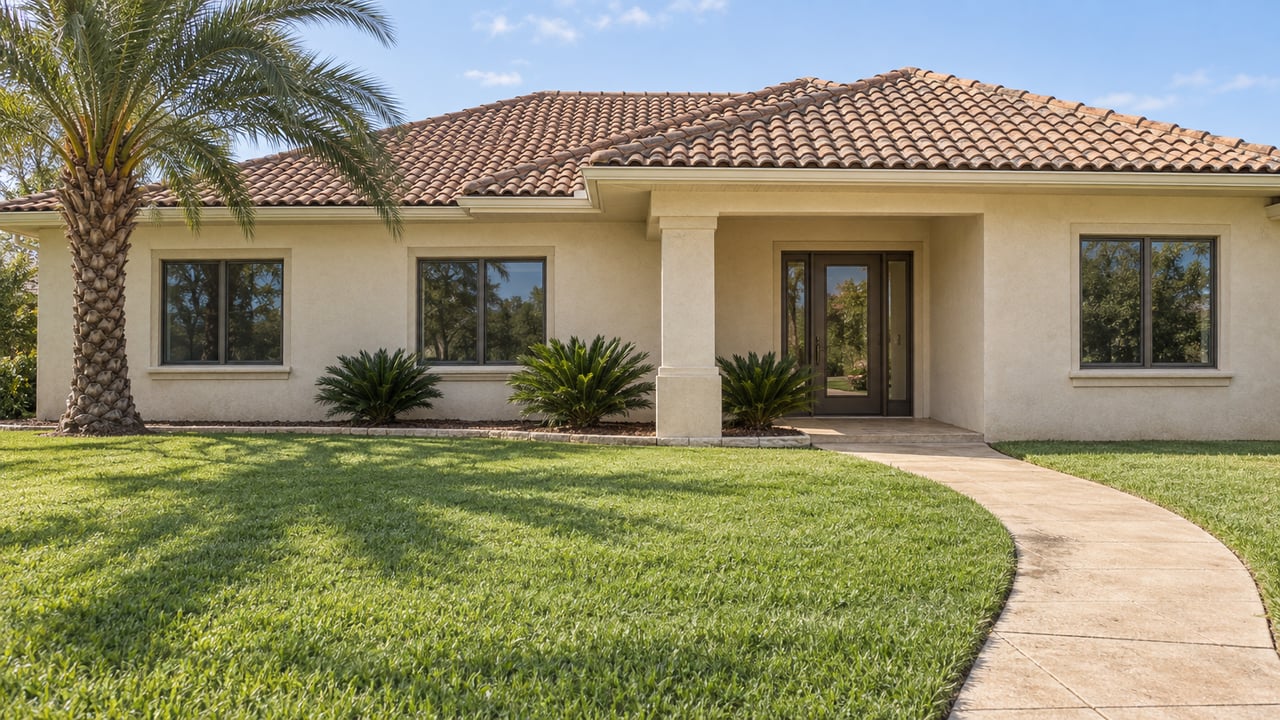
In most single-family neighborhoods, fees focus on common areas, gates, and amenities. You typically handle your own roof, exterior upkeep, irrigation for your lot, and repairs unless the community is maintenance-provided.
Master association vs. sub-HOA
Palmer Ranch includes master infrastructure along with many sub-associations. A master association might fund larger roads, landscape corridors, or major amenities. Your neighborhood’s sub-HOA usually manages local items, which means you may pay fees at both levels.
What to request and review
Ask for these documents early in your contingency period. They provide the clearest picture of coverage, financial strength, and upcoming costs.
- Most recent annual budget and year-to-date financials
- Reserve study or funding plan and the last contributions schedule
- CC&Rs, bylaws, and rules & regulations (pay attention to maintenance obligations and amenity access)
- Meeting minutes from the last 6–12 months
- Current fee schedule and any pending or approved special assessments
- Estoppel certificate for closing details on dues and balances
- Proof of insurance with a coverage summary and hurricane deductible terms
- Management contract if a third-party company is used
Key questions to ask
- What exactly is included in the regular fee, including utilities and exterior items?
- Are there separate master association or CDD fees in addition to the neighborhood fee?
- When was the last special assessment and are any planned?
- Are reserves fully funded, and if not, what is the plan to catch up?
- What use rules could affect you, such as pet policies or rental limits?
- Is there ongoing or recent litigation involving the association?
- What does the master insurance cover, and what hurricane deductible applies?
How to compare HOA fees
Look beyond the monthly number. Normalize by what the fee includes and the true total cost of ownership.
- List the housing type and fee frequency for each community.
- Note extra charges like master association fees, CDD payments, and any mandatory club memberships or capital contributions.
- Detail what’s included: landscape care, exterior maintenance, roof, insurance, amenities, and security.
- Review reserves: funded percentage if available, date of the last study, and upcoming projects.
- Check for recent special assessments or large projects in planning.
- Understand rental and pet rules that could affect use and value.
- Add it all up: HOA fees plus property taxes, CDD payments, estimated utilities, and insurance.
A practical example: a higher fee that includes lawn care, irrigation, and amenity access could be a better value than a lower fee that covers only gate operation, especially if you would pay for landscaping out of pocket.
Red flags to watch
Protect yourself by scanning for warning signs in the budget and minutes.
- Low or no reserves relative to major component lifespans
- Frequent or large special assessments
- Opaque or outdated financial reporting
- Pending litigation or contractor disputes
- Unusually high management or legal costs without clear explanation
Florida context to know
Florida law outlines association operations and disclosures for both condos and HOAs under Chapters 718 and 720. In condominiums, the association typically maintains the building and carries the master insurance policy, while you insure interior finishes and personal property. During closing, a seller or their closing agent usually obtains an estoppel certificate, which states current dues and assessments due. County parcel, plat, and permitting records can help confirm private road status or easements that affect maintenance responsibilities.
Bottom line
In Palmer Ranch, HOA fees are not one-size-fits-all. What you get for your money depends on your property type, the specific neighborhood, and whether there is a master association. By reviewing the right documents and asking targeted questions, you can compare communities fairly and avoid surprises later.
If you would like tailored guidance on specific Palmer Ranch neighborhoods, reach out to Jenine & Bruce Meyer for a clear, concierge approach to your next move.
FAQs
What do Palmer Ranch HOA fees usually include?
- They often cover common area landscaping, amenities, security or gates if applicable, some utilities for shared spaces, management, insurance for common elements, and reserves.
How are condo fees different from single-family fees in Palmer Ranch?
- Condo fees typically include exterior building maintenance, roofs, common systems, and the master insurance policy, while single-family fees usually focus on common areas and amenities.
Are there master association fees in Palmer Ranch communities?
- Yes, many neighborhoods have a master association in addition to a sub-HOA, so you may pay fees at both levels for shared infrastructure and larger amenities.
What documents should I review before buying in Palmer Ranch?
- Request the budget, financials, reserve study, CC&Rs, bylaws, rules, recent meeting minutes, fee schedule, any special assessments, insurance summary, estoppel certificate, and management contract.
How can I tell if an HOA’s reserves are healthy?
- Check the reserve study, the percentage funded, the contributions schedule, and the minutes for planned projects; low reserves or frequent assessments are red flags.
What is an estoppel certificate in Florida?
- It is a document the association provides that shows current dues, assessments, and any balances due, which helps confirm your financial obligations at closing.