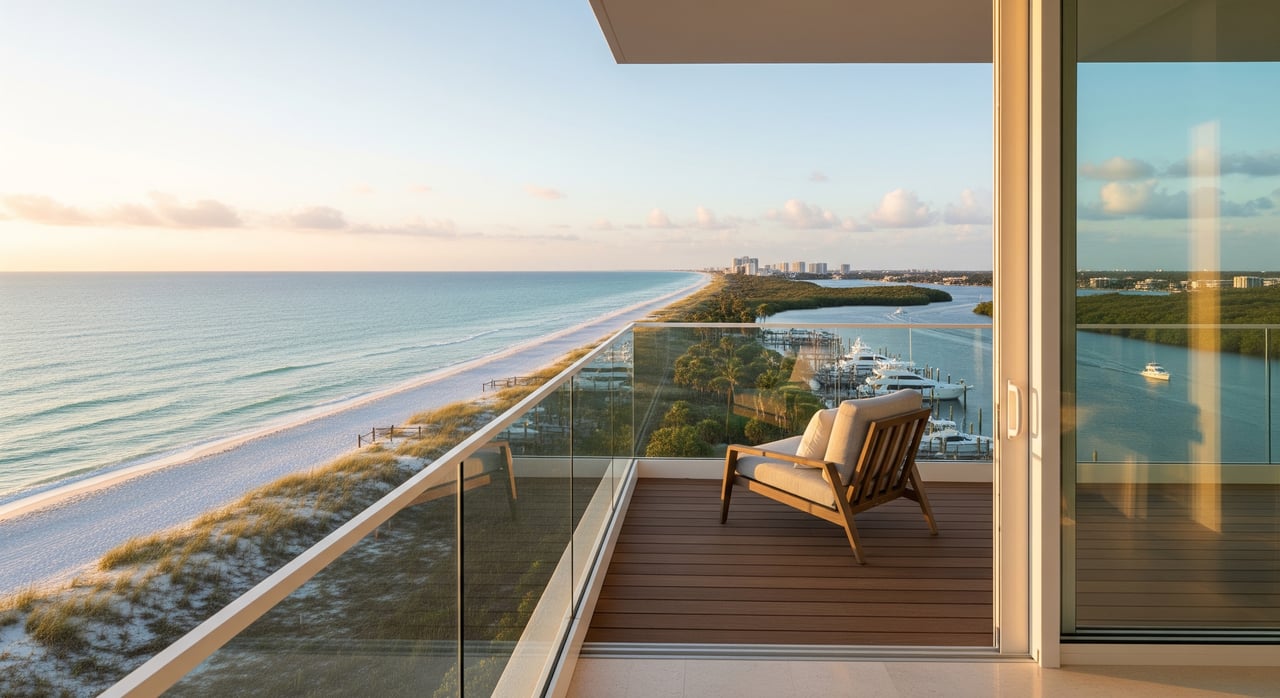
Trying to choose between Gulf and bay when you buy a Longboat Key condo? You are not alone. Both sides offer water views and a relaxed island pace, yet the day-to-day living can feel very different. In this guide, you will learn how views, access, amenities, and costs compare, plus what to verify before you write an offer. Let’s dive in.
Gulf vs. bay: what it means
Longboat Key is a narrow barrier island with the Gulf of Mexico on the west and Sarasota Bay on the east. The Manatee County portion sits on the northern stretch, which many find quieter and more residential. Your choice between Gulf-side and bay-side shapes your routine, from morning light to how you access the water.
Gulf-side at a glance
- Wide sandy beaches and direct beachfront access in many complexes.
- Big west-facing water views and nightly sunsets.
- Resort-style amenities are common in luxury towers.
- Building siting and elevation account for wave action and erosion control.
Bay-side at a glance
- Calmer, protected water on Sarasota and Longboat Bay.
- Marinas, docks, or boat slips are common features.
- East-facing views with sunrises, mangroves, and wildlife.
- Easy access to the Intracoastal for boating and paddling.
Views and natural light
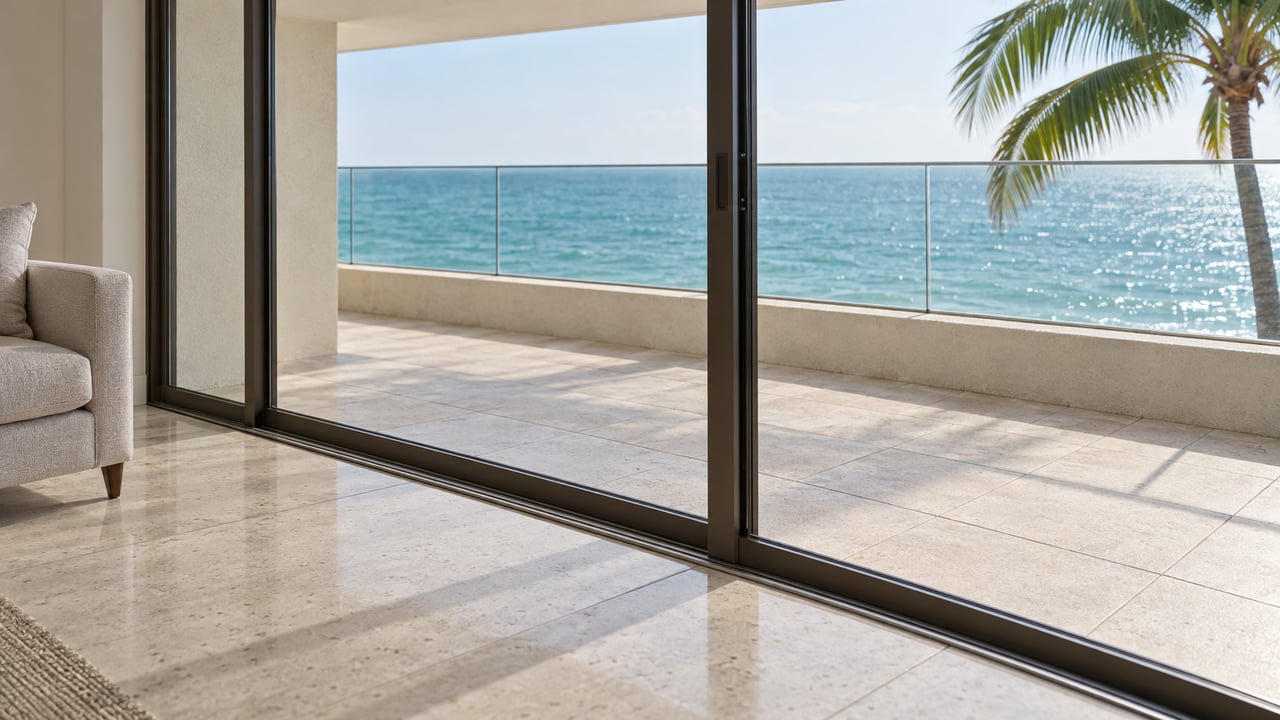
If you want sweeping horizons and sunset color, Gulf-side units deliver. Many towers optimize sightlines to the west with large terraces that frame the open water. You will notice stronger afternoon light and a front-row seat to seasonal surf.
On the bay side, the views feel closer and more intimate. You see mangroves, moored boats, and the mainland skyline, with soft morning light. Sunrises can be spectacular, and wildlife watching is part of the daily rhythm.
Beach and boating access
Beach access differences
Gulf-side condos often include private or deeded beach access with walkovers, beachside pools, and chair service in higher-end buildings. The shoreline is typically sandy and wide, though width varies by location. If your perfect day includes beach walks and sunset swims, this side fits well.
Bay-side properties may not have direct Gulf beach access. Shorelines often include seawalls, mangroves, or tidal flats built for wading and launching small craft. Some communities offer paths to a nearby Gulf access, but that varies by complex.
Boating and marina options
Bay-side living centers on boating. Many communities provide private docks, wet slips, dry storage, or marina access that connects you to protected waters and the Intracoastal Waterway. Launching kayaks and paddleboards is simple, and anglers appreciate the easy in-and-out.
On the Gulf side, slips are less common. You may rely on a nearby marina or a pass to reach open water, or you might trailer your boat. If daily boating is a must, confirm slip availability and fees before you commit.
Building styles and amenities
Gulf-front stretches tend to feature luxury high-rises and resort-style communities. Expect beach clubs, beachside pools, fitness centers, on-site management, guest suites, and valet or gated entries. Larger terraces are common to capture the view and breeze.
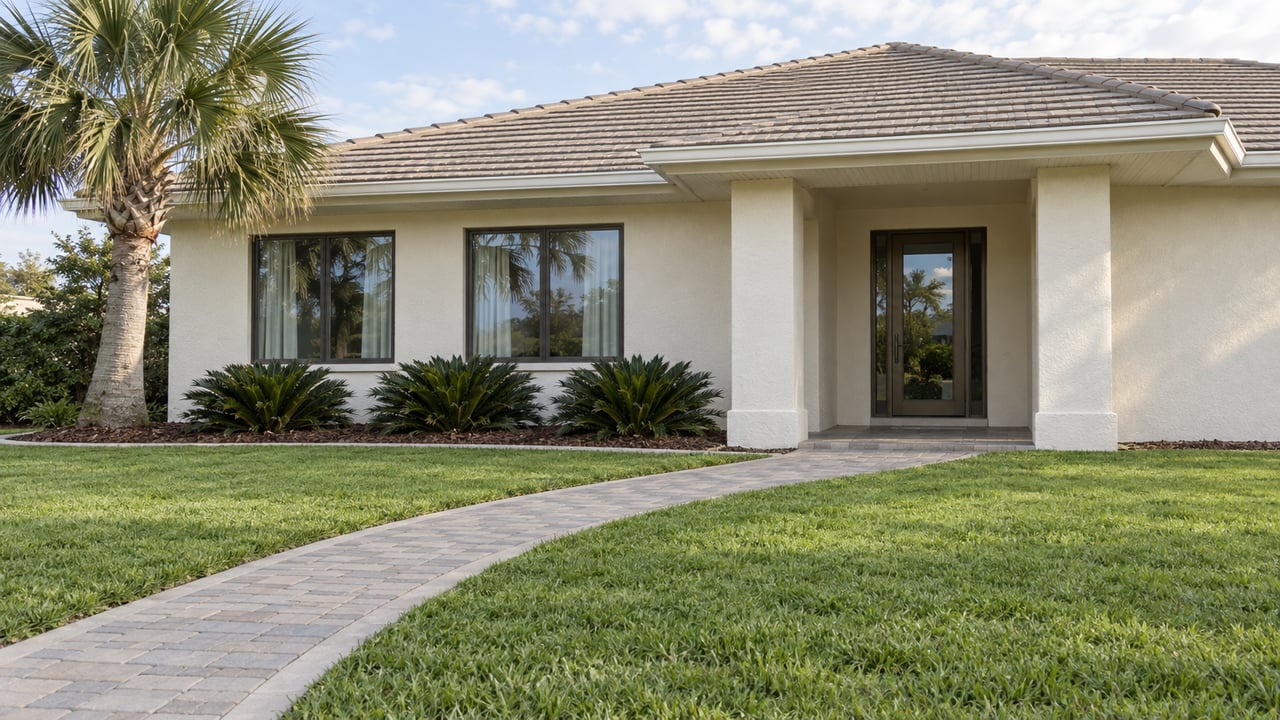
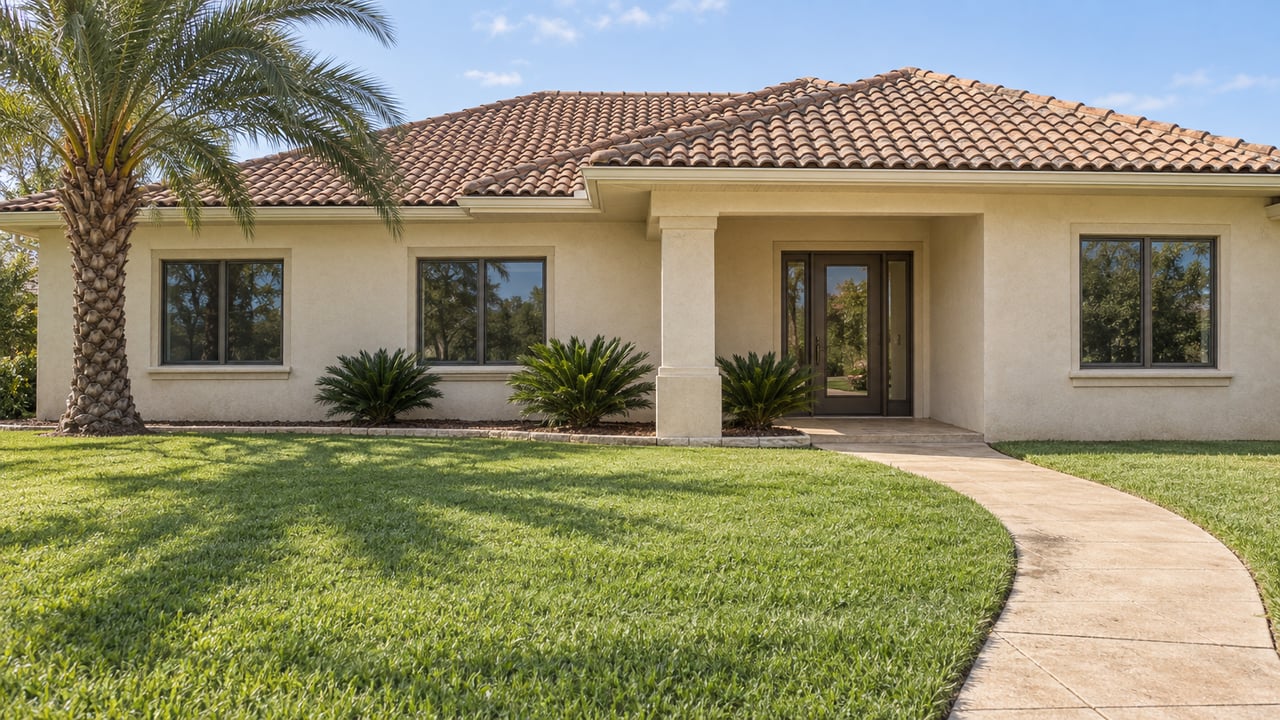
Bay-side properties are often low- to mid-rise condos or townhome-style communities with a marina vibe. Amenities focus on boating and practical convenience, like community docks, fish cleaning stations, covered parking, a clubhouse, and smaller pool areas.
Noise, privacy, and activity
Gulf-side communities near public access points can see more pedestrian traffic and seasonal activity. Pools and terraces facing the beach will feel lively during peak months. If you like energy and people-watching, you will enjoy this scene.
Bay-side settings are usually quieter from a beach tourism standpoint. You might hear daytime boat traffic, but evenings often feel calm. If you prefer a lower-key pace, the bay often fits better.
Costs, risk, and rules to watch
Pricing patterns
Direct Gulf-front condos with wide water views typically command a per-square-foot premium. Bay-side units with private docks or large slips also earn premiums within their segment. Differences vary by building age, condition, and amenities, so rely on recent local comps rather than broad averages.
Flood and insurance
Flood risk varies by elevation and exposure. Gulf-side sites are more likely to sit in higher-risk coastal flood zones subject to storm surge and wave action. Bay-side properties also fall within coastal zones depending on setback and elevation. In Special Flood Hazard Areas, flood insurance is usually required, and wind coverage is a major component of Florida condo insurance. Obtain current quotes for the specific unit and building. Ask for the master policy summary, windstorm deductibles, and what is covered by the association versus the unit owner.
Association health and assessments
Florida condominium associations follow state law on reserves, maintenance, and governance. After 2021, older buildings face more scrutiny and periodic structural inspections or recertifications. Waterfront properties often plan for large capital items like seawalls, balconies, roof work, and waterproofing, which can lead to special assessments. Review reserve studies, audited financials, board minutes, and recent engineering reports before you finalize an offer.
Rentals and use rules
Rental policies differ by building. Some communities embrace seasonal rentals with minimum lease periods, while others restrict short stays or limit the number of leases per year. Confirm association rules, application requirements, and any municipal regulations on short-term rentals. If rental income is part of your plan, match the building’s rules to your goals.
Taxes and closing costs
Longboat Key properties within Manatee County follow county property tax assessments. Most second homes do not qualify for homestead exemptions, so plan for non-homestead tax rates. Expect standard Florida closing costs, and confirm any association transfer or application fees.
Who chooses which side
Gulf-side buyer profile
Choose Gulf-side if you want the classic beachfront lifestyle. You will enjoy direct beach access, daily beach walks, and sunset views. Resort-style amenities and larger terraces support relaxed entertaining and easy hosting for visiting friends and family.
Bay-side buyer profile
Choose bay-side if boating and calm water recreation drive your decision. On-site or nearby slips, protected waterways, and close-up wildlife viewing define the experience. Early risers who love sunrise light and paddling often prefer this side.
What both sides share
Both Gulf and bay settings enjoy Longboat Key’s seasonal rhythm and island convenience. The northern end, which includes the Manatee County portion, tends to be quieter, while the southern end offers quicker access to Sarasota’s dining and cultural venues. Your commute and service access depend on where you land along the island’s spine more than which shoreline you face.
Your due diligence checklist
Use this quick checklist to evaluate any Longboat Key condo, then focus on side-specific details like beach or slip access.
- Flood risk and elevation:
- FEMA flood zone and the unit’s elevation certificate.
- Typical flood insurance premium estimates for the building and unit.
- Insurance:
- Master insurance policy and declarations page.
- Windstorm deductibles and owner versus association coverage.
- Recent building claim history.
- Association finances and governance:
- Latest reserve study and audited financials for the last 2–3 years.
- Board meeting minutes for the past 12–24 months.
- Assessment history and planned capital projects.
- Percentage of owner-occupied versus rental units.
- Any pending litigation or code issues.
- Building condition and safety:
- Recent structural or engineering inspection and recertification status.
- Dates of major replacements like roofs, balconies, elevators, and exterior coatings.
- Boat and marina specifics for bay-side communities:
- Slip availability, owned versus rented, and any waitlist details.
- Size limits, power and water at slips, and required insurance.
- HOA rules and fees tied to slips or storage.
- Use and rental rules:
- Minimum lease periods and application requirements.
- Any booking platform restrictions or seasonal limits.
- Unit specifics:
- Parking rights and guest parking availability.
- Storage options such as cages or bicycle rooms.
- Historical utility and maintenance expenses.
- Resale considerations:
- Recent comparable sales in the building and immediate area.
- Seasonality of buyer demand for similar units.
Smart questions to ask
- When was the last reserve study completed, and what percent funded are reserves?
- What is the building’s FEMA flood zone, and do you have the unit’s elevation certificate?
- Are there active or planned capital projects that could require special assessments?
- What percentage of units are rented annually, and what are the rental restrictions?
- Where is the nearest marina or public boat ramp, and is docking included or available?
- Has the building completed its structural inspection or recertification, and are there any pending requirements?
Next steps
Your choice between Gulf and bay comes down to lifestyle and risk tolerance. If you lead with how you plan to use the home, then confirm the numbers on insurance, reserves, and assessments, you will make a confident decision. When you are ready to compare specific buildings and floor plans on the Manatee County side of Longboat Key, connect with Jenine & Bruce Meyer for tailored guidance and a curated list of options.
FAQs
What is the main difference between Gulf-side and bay-side condos on Longboat Key?
- Gulf-side offers direct beach access, wide sandy shores, and sunset views, while bay-side provides calm water, docks or slips, and sunrise views with easy Intracoastal boating.
Are insurance costs higher on Gulf-front condos in Manatee County?
- Gulf-front buildings often sit in higher-risk coastal flood zones and can face higher wind and flood premiums; always get unit-specific quotes and review master policy details.
Do most bay-side condos include a boat slip on Longboat Key?
- Many bay-side communities offer slips, but availability, size limits, and fees vary; confirm whether a slip is deeded, assigned, or waitlisted before you buy.
Can I rent my Longboat Key condo seasonally if I buy on the bay side?
- Rental rules vary by association regardless of side; check minimum lease length, application rules, and any municipal regulations before you plan seasonal rentals.
How do special assessments differ between Gulf and bay buildings?
- Both can face assessments for capital projects, but waterfront exposure can add items like seawalls or balcony repairs; review reserve studies, board minutes, and capital plans for each building.